
Cavitation (FDOJ/NICO) Assessment & Treatment
Cavitations, also known as FDOJ/NICO lesions, are areas of chronically inflamed or non-healing jawbone, often associated with previous extractions or non-vital teeth. Our biologically informed approach aims to identify, treat, and support natural healing, promoting oral and systemic wellbeing.
Appointment Duration: 90 minutes
Cost:
From £830 (with selected clinician)
From £996 (with Dr. Seb)
-
Located just 5 minutes from the M62, with parking provided. From the moment you arrive, you’ll notice we do dentistry differently. Our calming, spa-like environment—with gentle music, soothing essential oils, filtered water, wellness library, and bespoke interiors—is designed to help you feel relaxed, informed, and supported before your consultation or procedure.
-
Duration: 60 minutes
Purpose:Full mouth examination
Review of medical and dental history
Screening for focal infections and cavitations
Assessment of non-vital teeth and previous extraction sites
Review of symptoms and systemic health links
Diagnostics may include:
Digital scan
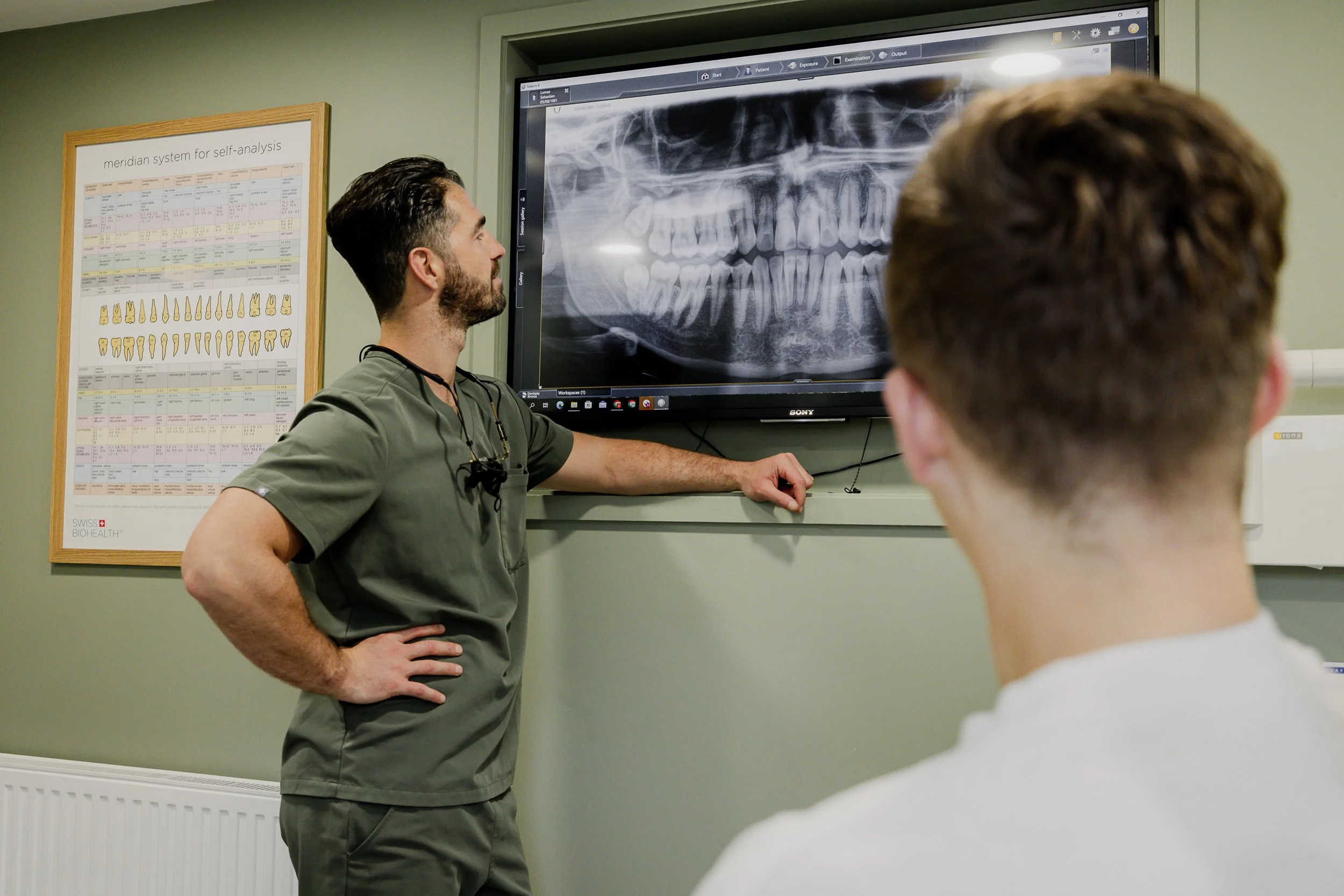
OPG (panoramic X-ray)
CBCT scan (indicated – indicated to diagnose the areas of bone from a radiologist)
Outcome:
Identification of suspected cavitation sites
Detailed report and personalised treatment plan
Discussion of whether surgical treatment is recommended or further diagnostics is warranted, these can include; CBCT, capillary or venipuncture blood testing.
-
Purpose:
CBCT scan to confirm the presence and extent of cavitations
Precise surgical planning
Notes:
Imaging may be completed in-house or via referral
CBCT fees apply separately if not already completed
-
Review findings with the clinician
Discuss surgical approach, healing expectations, and risks
Provide written consent and pre-operative guidance
Schedule your surgery date with the appropriate clinician
Notes:
Dr. Seb, Dr. Jainam and Dr Abdul are trained to perform Cavitation FDOJ/NICO surgeries
-
Appointment Length:
Varies depending on number of sitesProcedure Includes:
Gentle surgical access to the affected jawbone
Removal of chronically inflamed or necrotic bone
Thorough debridement of the site, usually with advance technology like ceramic debridement burs or the Piezo (frequency), finally ozone to disinfect surgical site
Use of regenerative blood matrices A PRF I PRF or biocompatible collagen or bone substitute like Tricalcium Phosphate (TCP)
Support the natural bone regeneration
Goal:
Reduce chronic inflammation
Support proper jawbone healing and overall systemic health
-
Take painkillers as prescribed. Typical options:500mg Paracetamol, 200mg Ibuprofen and follow the instructions on the packet carefully.
Bleeding & Oral Care - minor oozing is normal for a few hours. If bleeding continues apply a gauze pad soaked in warm salt water to the area for 3 minutes and repeat 3–4 times if needed. If bleeding persists after this, contact the surgery on 07539916409.
From the day after surgery rinse your mouth gently 2–3 times daily with warm salt water (½ tsp salt in a cup of warm water). Hold over the surgical area for a few seconds and repeat until the cup is empty. Rinse gently with warm water after every meal.
Swelling & Comfort - sleep with an extra pillow for the first 2–3 nights to reduce swelling. Use ice packs on the area for 20–30 minutes at a time (total 1–2 hours on the first two days). Swelling is usually worst on day 2–3 and may last a few days. Dab the provided OnGuard Doterra essential oil around (not directly on) the surgical site for comfort.
Diet & Drinking - For the first 24 hours: avoid hot drinks (coffee, tea, soup) and strenuous activity. Eat only soft foods for the first week: boiled fish, scrambled eggs, pasta, rice, or mashed/blended foods. Continue vitamin supplements if prescribed, and maintain a balanced, calcium-rich diet. Avoid smoking and alcohol for 2 weeks after surgery, as these can slow healing.
Oral Hygiene & Stitches - Do not brush the surgical area for at least a week. Avoid touching or exploring the area with your tongue. If you have a denture, leave it out if instructed until it can be re-lined.
When to Contact the SurgeryCall 07539916409 if you notice:
Swelling lasting more than a week
Numbness persisting longer than 6 hours
Excessive pain or bleeding
-
Healing review appointment scheduled
Monitor bone regeneration and symptom improvement
Further treatment planned if additional sites are identified
-
Cavitation treatment is a medical procedure
Personalised clinical advice cannot be given over the phone
A Biological Consultation is always required first
Reception and AI phone systems can explain what’s included and how to book
We understand that deciding on cavitation treatment can feel overwhelming. We’re here to guide you with clarity, support, and reassurance every step of the way. The easiest way to book your consultation or treatment is directly through our online booking system. If you have questions beforehand, you’re welcome to schedule an online call or contact us via email:
Email: reception@wonderofwellness.clinic
Phone: 01484 514451
Testimonials